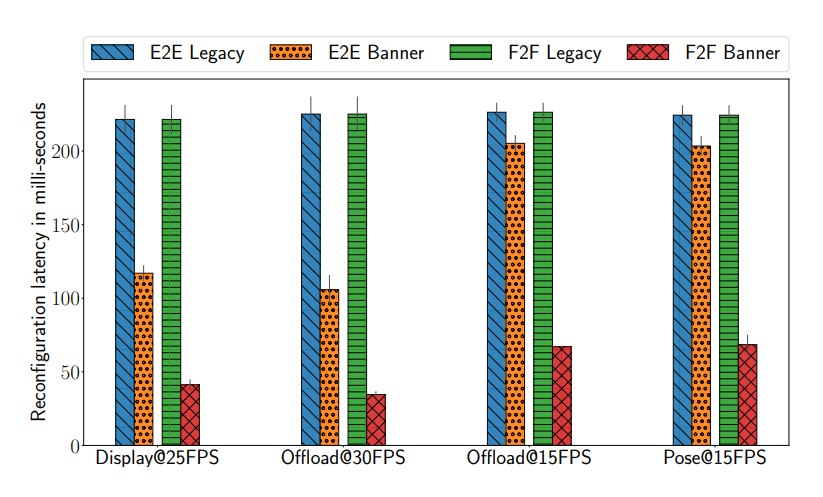
Banner rearchitects camera reconfiguration so mobile vision systems can adapt sensor resolution at runtime without the disruptive frame gaps that have traditionally made that tradeoff impractical.
Introduction: Making Resolution Adaptation Continuous
Mobile vision systems benefit from reducing resolution when imaging detail is unnecessary, but conventional systems pause frame delivery whenever the sensor changes modes. Banner makes resolution changes a practical runtime decision by eliminating the visible interruption in the stream.
System Architecture: Reconfiguring Without a Frame Gap
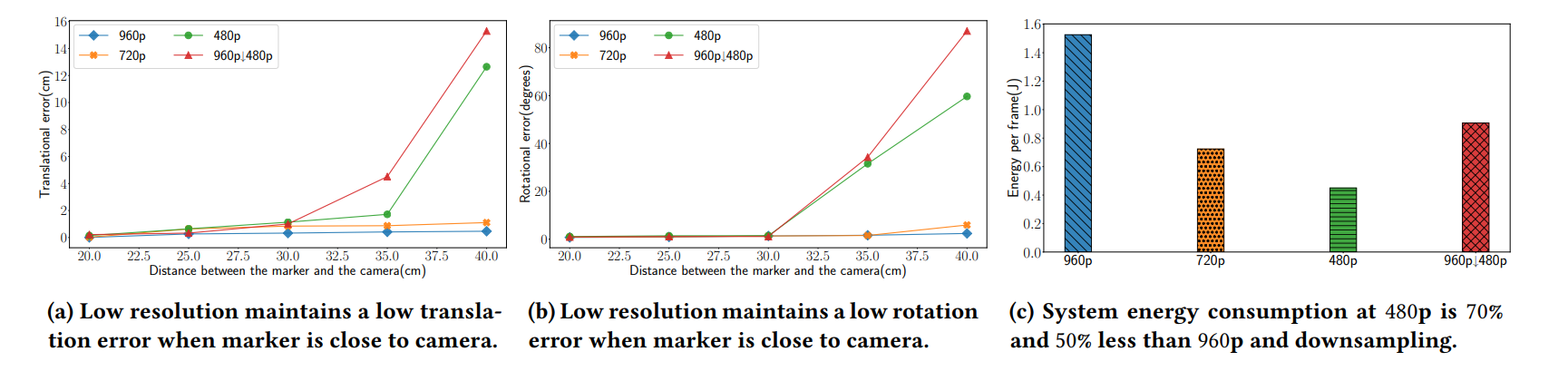
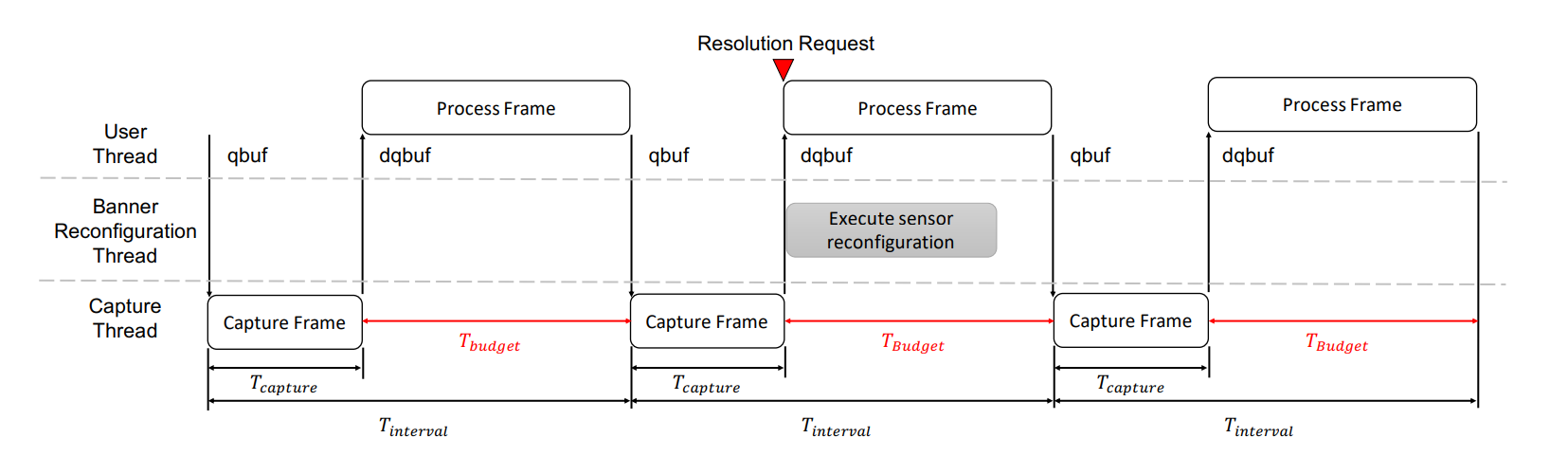
Banner modifies common media frameworks such as V4L2 with two techniques: parallel reconfiguration prepares a new sensor mode while an application processes the current stream, and format-oblivious memory management reuses buffers across resolutions.
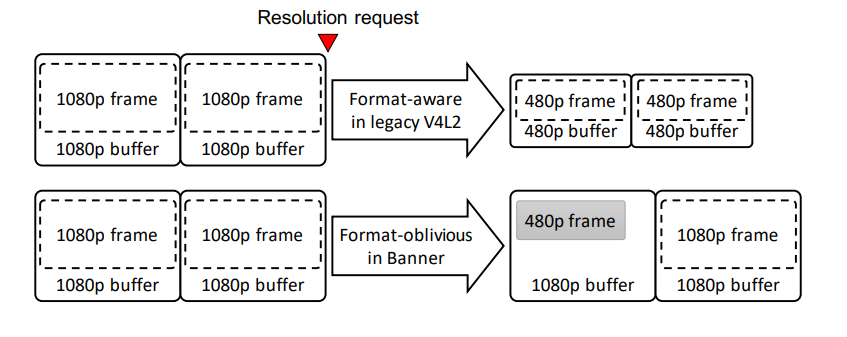
Results: Faster Transitions, Lower Energy
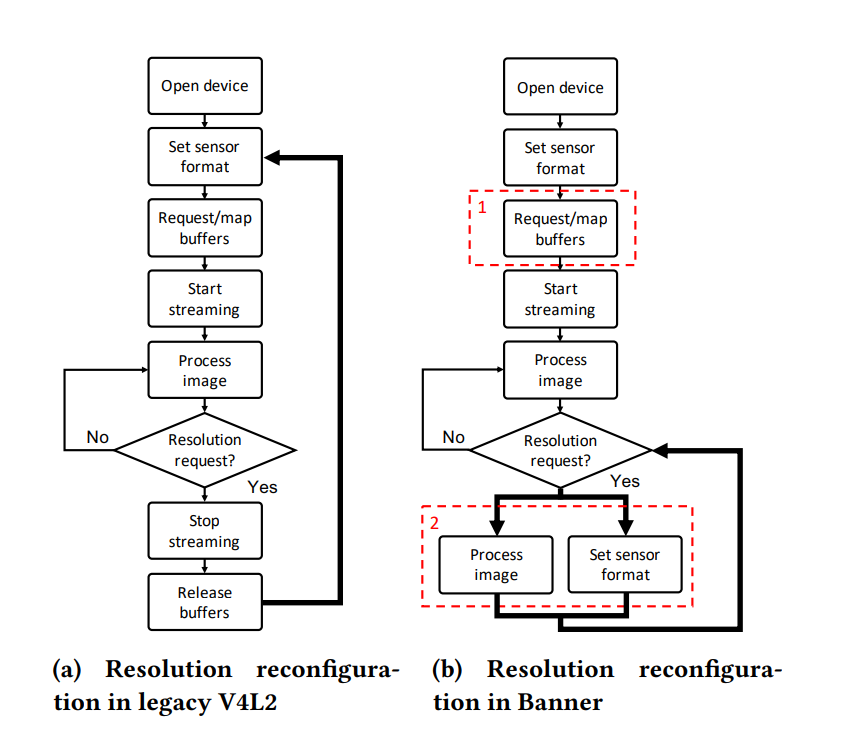
Banner reduces frame-to-frame resolution-switch latency from 226 ms to 33 ms and cuts end-to-end reconfiguration time to 105 ms. This enables continuous vision applications to pursue lower-power sensing strategies without sacrificing seamless frame delivery.